Energy efficiency has moved to the top of the priority list for UK homeowners replacing their windows. With rising energy costs and a growing focus on reducing heat loss, more people than ever are asking the same question before they commit to a purchase:
Double glazing or triple glazing – which is better for keeping a home warm and reducing heat loss?
The honest answer is that triple glazing generally adds an extra insulating layer and can deliver better thermal performance than double glazing. But “better on paper” does not automatically mean “better for your property”. The right choice depends on the building, the window system, the orientation of the glazing, the budget and what the homeowner actually wants to achieve.
At Multitrades Windows & Doors, we manufacture, supply and professionally install premium aluminium and uPVC windows and doors. As an approved Schüco Partner, we work with high-quality Schüco window and door systems every day – and we see first-hand how much the complete specification matters, not just the number of glass panes.
What Is Double Glazing?
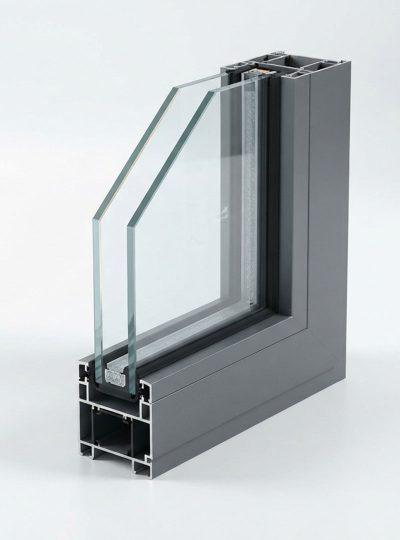 Double glazing is the standard for modern replacement windows in the UK. A double-glazed unit is made up of two panes of glass separated by a sealed cavity.
A typical modern unit includes:
- Two panes of glass
- A sealed cavity between them
- An insulating gas such as argon, where specified
- A spacer bar separating the panes around the edge
- A fully sealed glazed unit
- Low-emissivity (Low-E) coatings on one or more surfaces
The trapped air or gas in the cavity slows the movement of heat, while the Low-E coating helps reflect heat back into the room. Compared with traditional single glazing, this dramatically reduces heat transfer.
Well-specified double glazing can deliver:
- Better thermal insulation and reduced heat loss
- Improved indoor comfort, particularly near windows
- Reduced risk of internal condensation when correctly specified and ventilated
- Noticeable noise reduction
- Improved security, thanks to stronger frames and locking hardware
- A potential reduction in heating demand
What Is Triple Glazing?
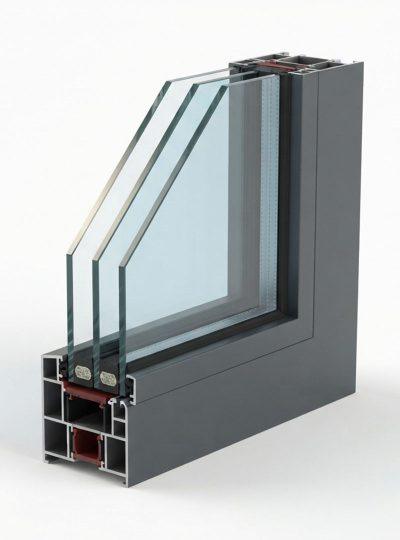 Triple glazing takes the same principle one step further. Instead of two panes and one cavity, a triple-glazed unit uses:
- Three panes of glass
- Two sealed insulating cavities
- Low-E coatings
- Gas-filled cavities where specified
- Specialist warm-edge spacer systems
The additional pane and cavity create another barrier to heat loss, which generally raises the internal surface temperature of the glass and reduces the amount of warmth escaping through the window.
However, triple glazing is not automatically the best answer for every property. It adds weight, cost and depth to a window, and the benefits are most noticeable in certain types of project – something we will explore below.
Double vs Triple Glazing: Energy Efficiency Comparison
| Feature | Double Glazing | Triple Glazing |
|---|---|---|
| Number of glass panes | 2 | 3 |
| Insulating cavities | 1 | 2 |
| Thermal insulation | Very good | Generally higher |
| Heat loss | Reduced | Further reduced |
| Internal surface temperature | Good | Generally warmer |
| Condensation resistance | Good when correctly specified | Generally improved |
| Weight | Lower | Higher |
| Cost | Generally lower | Generally higher |
| Frame and load requirements | Lower | Higher |
| Suitability | Wide range of properties | Particularly useful where maximum insulation is desired |
The key point is that real-world performance depends on the complete window specification – the frame, the glazing, the spacer, the seals and the installation – rather than simply counting panes of glass.
Understanding U-Values
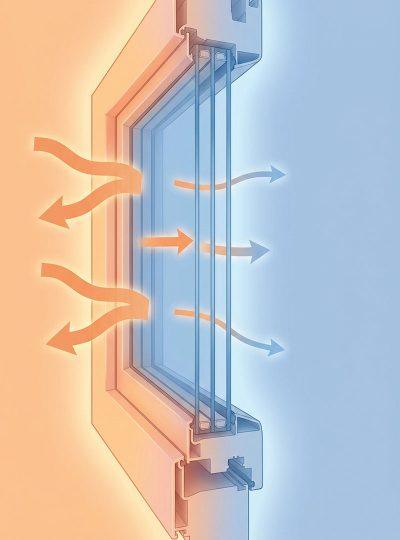 U-values appear in almost every conversation about energy-efficient windows, and they are worth understanding before you compare quotes.
A U-value measures how quickly heat passes through a material. Put simply: the lower the U-value, the better the thermal insulation.
When comparing windows, it helps to know the difference between:
- Ug – the performance of the glass unit alone
- Uf – the performance of the frame
- Uw – the whole-window U-value, which combines frame, glass, spacer and edge effects
Whole-window U-value (Uw) is the figure that best reflects how the finished window will perform, because glass-only figures do not tell the complete story. Frame design, glazing configuration, spacer bars and installation all contribute to the final result.
In England, replacement windows generally need to meet a minimum standard – often expressed as a whole-window U-value or a Window Energy Rating – although the exact requirement depends on the project, the building and current Building Regulations. Because performance varies with the exact Schüco system, glass specification and frame configuration, it is always worth asking for the figures that apply to your specific window rather than relying on a headline number.
In short: do not choose windows purely because one advertises the lowest number.
Does Triple Glazing Always Save More Money?
This is where thermal performance and financial payback need to be separated.
Triple glazing can reduce heat loss further than double glazing. But the additional pane, deeper frame and heavier hardware usually mean a higher purchase price. Whether that extra investment makes sense depends on several practical factors:
- The size of the property
- How many windows are being replaced
- What glazing is currently installed
- The heating system and how the home is used
- Window orientation and the amount of glazing
- Local climate and exposure
- The quality of installation
- How long the owner plans to stay in the property
One important point is often overlooked: replacing old single glazing with modern double or triple glazing usually produces a far more noticeable improvement than swapping already-good modern double glazing for triple glazing. If your current windows are draughty, thin and poorly sealed, the jump to high-performance double glazing may deliver the biggest practical gain per pound spent.
Double or Triple Glazing for Aluminium Windows?
There is a lingering myth that aluminium windows are cold. That was fair criticism of older, basic aluminium frames, but modern aluminium windows are a completely different proposition.
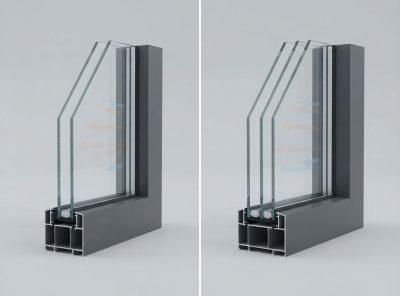 Today’s thermally broken aluminium systems include:
- Thermal breaks – a non-conductive barrier inside the frame that interrupts the path heat would otherwise take through the metal
- High-performance aluminium profiles engineered for strength and efficiency
- Low-E glazing to reflect heat back into the room
- Modern sealed glass units with gas-filled cavities
- Multi-chamber and multi-profile designs where applicable
- High-quality seals to reduce draughts and air leakage
Combined, these features allow slim sightlines, large glazed areas and excellent structural strength – while still achieving strong thermal performance. Aluminium does not have to mean poor energy efficiency. A well-engineered thermally broken aluminium system can be genuinely energy efficient, which is why energy efficient aluminium windows are now a first choice for architects, developers and homeowners alike.
This is where the system itself matters. As an approved Schüco Partner, Multitrades Windows & Doors supplies Schüco aluminium windows and doors recognised for quality, engineering and reliability – manufactured and installed as a complete package.
When Might Double Glazing Be the Better Choice?
High-quality double glazing is often the smartest option. It may be the better choice when:
- The existing windows are already modern and reasonably efficient
- Budget is an important consideration
- The property does not require maximum thermal insulation
- The homeowner wants excellent performance without the extra weight and cost of triple glazing
- The chosen window system already achieves the required thermal performance with double glazing
Well-specified double glazing – particularly as part of a thermally broken aluminium system with good seals and professional installation – can deliver excellent energy efficiency and comfort.
When Is Triple Glazing Worth Considering?
Triple glazing comes into its own in certain scenarios:
- Highly insulated new-build homes
- Low-energy and Passivhaus-style projects
- Properties where maximum heat retention is the priority
- Homes in exposed or elevated locations
- Rooms with very large glazed areas
- Homeowners who prioritise comfort and minimising heat loss
- Projects designed around high thermal performance from the outset
Even here, the suitability of triple glazing should be assessed alongside the window frame and complete system, rather than treated as a standalone upgrade. A triple-glazed unit in a poorly designed frame may underperform compared with a well-engineered double-glazed system.
Energy Efficiency Isn’t Just About Glazing
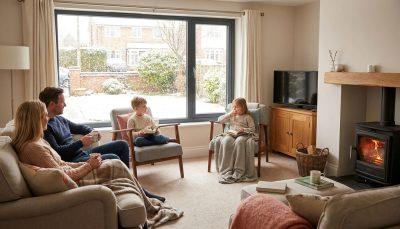 Glass specification is only one part of overall window performance. Several other factors influence how a finished window behaves:
- Window frame material and profile design
- Thermal breaks within the frame
- Glass specification and thickness
- Low-E coatings
- Gas-filled cavities
- Spacer bars – warm-edge spacers reduce heat loss at the edges
- Seals and gaskets
- Installation quality and airtightness
- Correct frame-to-opening installation
- Ventilation strategy
- Window orientation
- Solar gain
This is the crucial point: a high-performance glass unit installed poorly cannot deliver its intended performance. Gaps, poor sealing, misalignment and incorrect fixing can undermine even the best specification. That is why using a company that manufactures, supplies and installs the windows – rather than splitting those stages between different parties – makes such a difference.
Double vs Triple Glazing for Different Types of Property
There is no universal answer, because the right specification depends on the building.
- Older homes: Managing draughts, uneven openings and character features is often the priority. High-performance double glazing in a sympathetic frame style is frequently the best balance.
- Modern homes: Already-insulated properties may see limited additional benefit from triple glazing unless the windows are a weak point.
- New builds: Where the whole building is designed around thermal performance, triple glazing is often worth considering.
- Extensions: Specification should match the existing property and the intended use of the space.
- Large glazed extensions: Big glass areas lose more heat, so higher-performance glazing and frames often pay off.
- Apartments: Weight, access and building requirements can all influence what is practical.
- Commercial properties: Durability, appearance and energy performance need to be balanced with budget and usage.
- Renovation projects: The condition of existing openings and the overall upgrade plan should guide the choice.
Don’t Forget Solar Gain and Natural Light
Adding another pane of glass affects more than just insulation. It can change how much daylight enters a room, how much solar heat is gained and how the space feels day to day.
In south-facing rooms with large areas of glazing, uncontrolled solar gain can contribute to overheating in summer. In other orientations, solar gain can be a genuine benefit, reducing heating demand. Glass coatings, the type of Low-E glass and the overall glazing specification all influence this balance.
The lesson is simple: consider the whole performance of the window – insulation, solar gain, daylight, comfort and appearance – rather than thermal insulation alone.
Why Professional Installation Matters
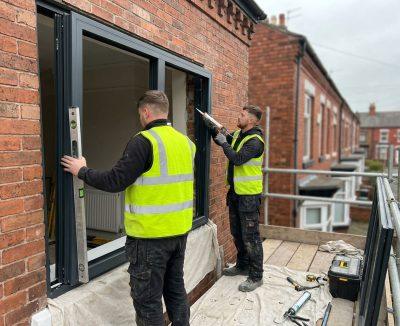 Even the best window system can underperform if it is installed badly. Achieving the expected performance depends on:
- Accurate measurement and survey
- Selecting the appropriate frame and glazing for the opening
- Proper preparation of the opening
- Correct fixing methods
- Sealing and weatherproofing
- Alignment and smooth operation of hardware
- Clean, professional finishing
- Compliance with relevant building requirements
Multitrades Windows & Doors provides a complete service – from manufacture and supply through to expert installation – which means one team is accountable for the finished result.
Double Glazing vs Triple Glazing: Which Should You Choose?
Here is the balanced answer:
Triple glazing generally offers better thermal insulation, but that does not automatically make it the better investment for every property. High-quality modern double glazing can already provide excellent energy efficiency, particularly when combined with a well-designed thermally broken aluminium system and professional installation.
If you are upgrading from old single glazing, either option will be a significant improvement. If you already have good modern double glazing, the case for triple glazing should be assessed carefully against cost, weight, frame depth and the specific needs of the property.
The best approach is to look at the complete window specification – frame, glazing, spacer, seals, hardware and installation – and get professional advice before deciding.
Frequently Asked Questions
Generally, yes. Three panes and two insulating cavities usually reduce heat loss more than two panes and one cavity. However, the actual difference depends on the complete window system – frame, glazing specification, spacers, seals and installation – not just the number of panes.
It depends on the property. Triple glazing is often worthwhile in highly insulated new builds, exposed locations and homes with large glazed areas. In properties that already have good modern double glazing, the additional cost may not deliver a proportionate return in energy savings.
Yes. Modern thermally broken aluminium systems are designed to carry deeper, heavier glazed units while maintaining slim sightlines. The frame profile and system need to be specified appropriately for the weight and depth of the glazing.
Modern thermally broken aluminium windows can be very energy efficient. Thermal breaks, high-performance profiles, Low-E glazing, warm-edge spacers and quality seals all work together to reduce heat loss.
Lower is better. What counts as “good” depends on the project, the building regulations that apply and the whole-window figure (Uw) rather than the glass alone. Rather than chasing the lowest advertised number, ask for the whole-window performance of the specific system you are considering.
Triple glazing generally raises the internal surface temperature of the glass, which can reduce the risk of condensation forming on the pane. However, condensation is also affected by indoor humidity, ventilation and installation quality.
There is no universal answer. High-performance double glazing is the right choice for many properties, while triple glazing suits projects where maximum thermal performance is a priority. The decision should be based on your property, budget, window system and long-term plans.
Speak to Multitrades Windows & Doors
If you are weighing up double glazing or triple glazing, the most useful next step is a conversation about your specific property rather than a general rule of thumb.
Multitrades Windows & Doors is an approved Schüco Partner manufacturing, supplying and installing premium aluminium and uPVC windows and doors. We work with homeowners, landlords, developers and property owners across Watford, London, St Albans, Stanmore, Radlett, Barnet, Berkhamsted, Milton Keynes and the surrounding areas.
Whether you are considering double glazing, aluminium windows or uPVC windows, our team can talk you through the options and recommend the most suitable specification for your property – no pressure, just clear advice.
Get in touch with Multitrades Windows & Doors to request a quote or discuss your requirements.
Related Articles


Our Showroom
You are more than welcome to visit our showroom.
We are open MON – FRI 8.00am – 4.30pm
SAT – By Appointments Only
For outside working hours or weekends appointments, feel free to call us on 01923238322 or email at [email protected]
We’ll be happy to meet up and discuss your Glazing, Windows & Doors Project
Multitrades Windows & Doors