Many homeowners still associate uPVC windows with the bulky white frames that became popular in the 1980s and 1990s. It is an image that has stubbornly persisted — thick plastic sections, limited colour choices, and a distinctly utilitarian look that seemed to prioritise function over form. But here is the truth: the uPVC window of today is a completely different product.
Modern manufacturing, innovative design, premium finishes, and advanced performance have transformed uPVC into one of the UK’s most popular choices for contemporary and traditional homes alike. In this article, we will explore exactly how far uPVC has come, debunk the myths, and show you why today’s uPVC windows are anything but old-fashioned.
Why Do People Think uPVC Windows Look Old-Fashioned?
To understand why uPVC gained a reputation for looking dated, we need to look back at its early days. When uPVC windows first entered the UK market in the 1980s, they were a revolutionary alternative to timber. They offered low maintenance, better insulation, and no more rotting or painting. However, the technology was still in its infancy.
Early uPVC profiles were thick and chunky because the material lacked the strength of modern formulations. To achieve structural integrity, manufacturers had to use bulky frames with large sightlines that reduced the glass area. Colour choices were almost non-existent — white was the only option, and even that was a stark, clinical white that didn’t always complement period properties.
Add to that a limited range of styles, poor-quality installations from inexperienced fitters, and the fact that many of those early windows have now aged poorly (with discolouration and warping), and it is easy to see why the reputation stuck. But those products bear little resemblance to the premium uPVC windows available today.
How Modern uPVC Windows Have Changed
The uPVC industry has undergone a quiet revolution over the past two decades. Advances in material science, manufacturing precision, and design have produced windows that are slimmer, stronger, and more attractive than ever before.
Slimmer Frames, More Light
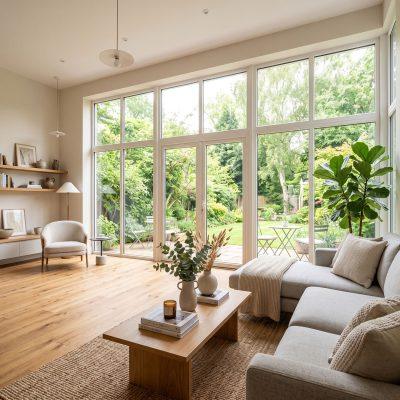 Modern uPVC profiles are engineered to be significantly slimmer than their predecessors. Multi-chambered designs and internal steel reinforcement provide the necessary strength without the bulk. The result is a larger glass area that floods your home with natural light and offers unobstructed views of your garden or surroundings.
Better Engineering
Today’s uPVC windows benefit from precision fabrication, improved welding techniques, and smoother finishes. The sightlines are cleaner, the corners are sharper, and the overall appearance is far more refined. Premium hardware — from sleek handles to colour-matched hinges — completes the transformation.
Improved Durability
Modern uPVC formulations include advanced UV inhibitors and stabilisers that prevent the yellowing and degradation that plagued earlier products. A quality uPVC window from a reputable manufacturer will hold its colour and structural integrity for decades.
Modern Colours Beyond White
Perhaps the single biggest factor in changing the perception of uPVC windows has been the explosion of colour options. White is still popular, but homeowners now have access to a palette that rivals aluminium and timber.
- Anthracite Grey — This has become the default contemporary choice, dominating new builds and renovations across the UK. Its dark, sophisticated tone adds a bold architectural edge that pairs beautifully with light render or brickwork.
- Black — For a dramatic, minimalist statement, black uPVC frames are increasingly popular on modern homes.
- Cream & Off-White — Softer than brilliant white, these shades offer a more traditional, welcoming feel.
- Chartwell Green — A heritage favourite that works particularly well on period properties and in conservation areas.
- Agate Grey — A versatile mid-grey that sits comfortably between classic and contemporary.
- Dual-Colour Frames — Perhaps the most exciting development: choose one colour for the exterior to complement your home’s façade, and a different shade for the interior to match your décor.
With over 150 RAL colour options available, you can find the perfect match for any property, whether it is a Victorian terrace, a 1930s semi, or a brand-new contemporary build.
Woodgrain Finishes That Look Like Timber
For homeowners who love the warmth and character of timber but dread the maintenance, modern woodgrain-effect uPVC offers the perfect compromise.
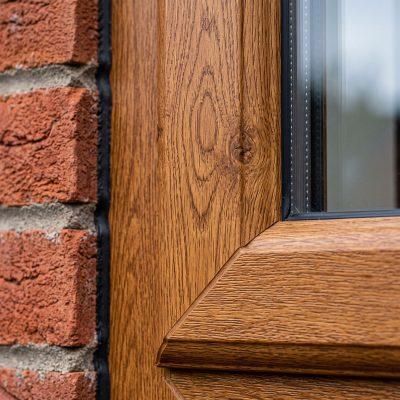 Advanced foiling techniques create an authentic woodgrain texture that convincingly replicates the look of painted or stained timber. Available in finishes like English Oak, Golden Oak, Irish Oak, and Rosewood, these windows are virtually indistinguishable from real wood at a glance.
The benefits are compelling:
- No painting — The colour is permanently bonded to the profile.
- No rotting or warping — uPVC is impervious to moisture.
- Long-lasting colour — UV-stable foils resist fading.
- Low maintenance — A simple wipe-down is all that is required.
Woodgrain uPVC is particularly well-suited to heritage homes, Victorian properties, Edwardian houses, and cottage-style homes where a traditional appearance is essential.
Modern Window Styles Available in uPVC
Gone are the days when uPVC only meant a basic casement window. Today’s range of styles is astonishingly diverse.
Casement Windows
The most popular choice in the UK, modern casement windows feature slim profiles, elegant proportions, and a wide choice of hardware. They suit almost any property style.
Flush Sash Windows
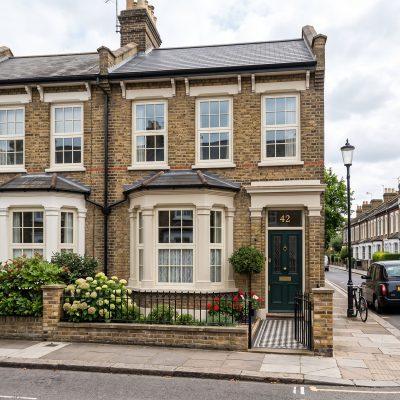
These are a game-changer for traditional homes. When closed, the sash sits perfectly flush with the outer frame, creating a sleek, contemporary appearance that mimics the clean lines of timber windows. The Residence Collection, for example, offers flush sash uPVC designed specifically to replace 19th-century timber windows in heritage and conservation areas.
Tilt and Turn Windows
Popular in Europe and increasingly common in the UK, these versatile windows open in two ways: tilting inwards for ventilation or turning fully for cleaning and emergency escape.
Sliding Sash Windows
For Georgian and Victorian properties, uPVC sliding sash windows replicate the classic box sash design with authentic proportions and detailing, but with modern thermal efficiency and smooth operation.
Bay and Bow Windows
uPVC is an excellent choice for bay and bow windows, offering the structural strength needed for these complex installations along with excellent insulation.
The key takeaway is that uPVC now suits both contemporary architecture and traditional homes equally well.
uPVC vs Aluminium – Which Looks Better?
This is a question we hear often, and the answer depends on what you value most.
Appearance
Aluminium windows are renowned for their slim frames and minimalist aesthetic, making them a favourite for modern, contemporary designs. However, premium uPVC has closed the gap significantly. Flush sash and slimline uPVC profiles now offer clean sightlines that rival aluminium.
Colour Options
Both materials offer extensive colour choices, including RAL colours and woodgrain effects. Aluminium is typically powder-coated, while uPVC uses foil or paint finishes. Both are durable, though powder-coated aluminium is particularly resistant to fading.
Maintenance
Both are low-maintenance, but uPVC requires virtually no upkeep beyond occasional cleaning. Aluminium may need more attention to prevent oxidisation in coastal areas.
Thermal Efficiency
uPVC is a naturally poor conductor of heat, making it an excellent insulator. Aluminium requires thermal breaks to achieve comparable energy efficiency, which adds to the cost.
Cost
uPVC is significantly more affordable than aluminium, often making it the practical choice for whole-house replacements.
The bottom line is that premium uPVC can closely rival aluminium in appearance while offering better value and thermal performance. For most homeowners, uPVC represents the sweet spot between style, performance, and budget.
Modern Hardware Makes a Huge Difference
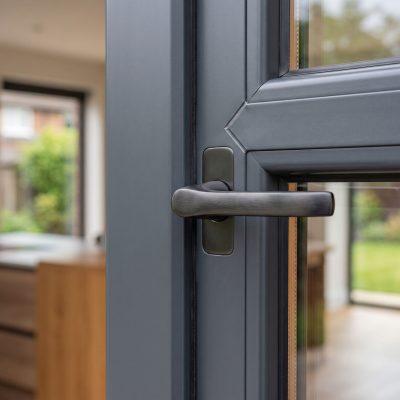 Small design details can elevate a window from ordinary to premium. Today’s uPVC windows feature:
- Contemporary handles — Sleek, ergonomic designs in a range of finishes.
- Flush handles — Recessed handles that sit flush with the frame for a minimalist look.
- Decorative hardware — Heritage-style monkey tail handles and period fittings for traditional homes.
- Colour-matched accessories — Handles, hinges, and trickle vents available in matching colours for a cohesive finish.
These details might seem minor, but they contribute significantly to the overall premium feel of the finished installation.
Performance Matters Too
While aesthetics are important, the performance benefits of modern uPVC are equally compelling.
Energy Efficiency
A-rated uPVC windows with double or triple glazing can significantly reduce heat loss, lowering your energy bills and carbon footprint. Multi-chambered profiles trap air, creating a thermal barrier that keeps your home warm in winter and cool in summer.
Weather Resistance
uPVC is impervious to moisture, so it will not rot, warp, or corrode. Modern sealing systems ensure your windows remain weathertight for decades.
Noise Reduction
Acoustic-enhanced double glazing can dramatically reduce external noise, making uPVC an excellent choice for homes on busy streets.
Security
Modern uPVC windows feature multi-point locking systems, anti-snap cylinders, and PAS24 security standards as standard.
Low Maintenance
Unlike timber, uPVC requires no painting, sanding, or treating. A quick wipe with soapy water is all it takes to keep them looking new.
Longevity
A quality uPVC window should last 20–30 years or more, with many manufacturers offering guarantees of 10 years or longer.
Choosing the Right Style for Your Home
 With so many options available, how do you choose the right uPVC windows for your property?
Consider the following factors:
- Property age — Period homes often suit flush sash, sliding sash, or woodgrain finishes, while modern properties can carry off bold colours and slim casement profiles.
- Roof style — The pitch and material of your roof can influence which window styles look most harmonious.
- Brick colour and render — Choose a frame colour that complements or contrasts with your external finishes.
- Existing doors — For a cohesive look, match your window colour and style to your front and rear doors.
- Neighbourhood aesthetics — In conservation areas or listed buildings, you may need to adhere to specific guidelines. Modern uPVC can often meet these requirements.
Professional advice is invaluable here. An experienced installer can help you navigate the options and achieve the best result for your home.
Professional Installation Is Just as Important
Even the most premium uPVC windows can look poor if they are badly installed. Poorly fitted windows can lead to drafts, water ingress, and a shoddy appearance that undermines the entire project.
That is why it is essential to choose an experienced, FENSA-registered installer. FENSA certification ensures that your installation complies with UK Building Regulations, including energy efficiency standards. It also provides you with a certificate that you will need when you come to sell your home.
A professional installation includes:
- Accurate measuring and bespoke manufacturing.
- Quality finishing and sealing.
- Level installation with proper alignment.
- Neat internal trims and flawless external appearance.
At Multitrades Windows & Doors, we are a FENSA-certified company with years of experience manufacturing, supplying, and installing premium uPVC windows across Watford, Hertfordshire, London, and beyond.
Why Homeowners Continue Choosing uPVC
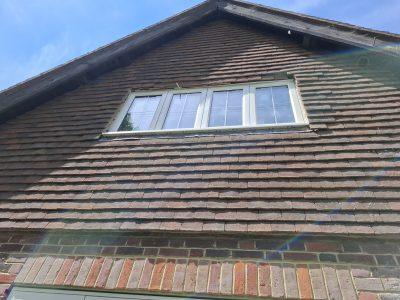 With all these advances, it is no surprise that uPVC remains the UK’s most popular window material, with an estimated 80% of homes featuring uPVC windows.
Here is why:
- Excellent value — uPVC offers outstanding performance for the price.
- Modern appearance — Today’s uPVC is stylish, sophisticated, and available in a vast range of colours and finishes.
- Energy savings — A-rated uPVC windows reduce heating bills.
- Security — Advanced locking systems provide peace of mind.
- Durability — uPVC windows are built to last for decades.
- Minimal maintenance — No painting, no rotting, no warping.
- Wide choice — From flush sash to sliding sash, casement to tilt and turn, there is a uPVC window for every home.
- Long lifespan — With proper care, uPVC windows can last 20–30 years or more.
Conclusion
Modern uPVC windows are a world away from the bulky white designs of previous decades. Today’s products are slimmer, stronger, and available in a stunning array of colours and finishes — from anthracite grey and black to authentic woodgrain effects that rival timber. They offer outstanding energy efficiency, security, and durability, all at a price that represents exceptional value.
If you have been hesitating to consider uPVC because you thought it looked dated, it is time to take a fresh look. The evidence is clear: modern uPVC is stylish, practical, and high-performing — a solution that is suitable for virtually any home, whether contemporary or traditional.
Ready to explore the possibilities for your home? Contact Multitrades Windows & Doors today for expert advice, bespoke window designs, and professional installation. We serve homeowners across Watford, Hertfordshire, London, and the surrounding areas, and we would be delighted to help you find the perfect uPVC windows for your property.
Frequently Asked Questions
Absolutely. With slim profiles, a vast range of colours (including anthracite grey, black, and Chartwell Green), and authentic woodgrain finishes, modern uPVC windows are at the forefront of contemporary home design. They are featured in new builds, renovations, and even conservation areas across the UK.
Quality uPVC from reputable manufacturers includes UV inhibitors and stabilisers that prevent fading and discolouration. Foiled finishes are particularly durable and tested to hold their colour for decades. Always choose a trusted supplier to ensure long-lasting colour.
Yes. Modern woodgrain-effect uPVC uses advanced foiling techniques to create an authentic timber texture and appearance. Finishes like English Oak, Golden Oak, and Irish Oak are virtually indistinguishable from real wood.
Flush sash windows offer a sleek, contemporary look where the sash sits flush with the outer frame. They are particularly popular for traditional and heritage homes, as they replicate the clean lines of timber windows while providing modern performance.
Both materials can look stunning. Aluminium offers ultra-slim frames favoured in minimalist designs, while premium uPVC now offers slim profiles and a vast range of colours and finishes that rival aluminium. The choice often comes down to budget and specific design preferences.
Yes. Modern uPVC includes heritage styles like flush sash, sliding sash, and woodgrain finishes specifically designed for period homes. These windows replicate traditional timber aesthetics while offering modern energy efficiency, security, and low maintenance.
With proper installation and care, quality uPVC windows can last 20–30 years or more. Many manufacturers offer guarantees of 10 years or longer, reflecting the durability of modern materials and construction.
Yes. New windows improve kerb appeal, energy efficiency, and security — all factors that can enhance a property’s market value. FENSA certification also provides documentation that buyers often look for.
Ready to upgrade your windows? Get in touch with Multitrades Windows & Doors for a free quotation and expert advice on premium uPVC window installations.
Multitrades Windows & Doors — your trusted partner for premium uPVC windows and doors in Watford, Hertfordshire, London, and beyond.
Related Articles
Nothing Found
Our Showroom
You are more than welcome to visit our showroom.
We are open MON – FRI 8.00am – 4.30pm
SAT – By Appointments Only
For outside working hours or weekends appointments, feel free to call us on 01923238322 or email at [email protected]
We’ll be happy to meet up and discuss your Glazing, Windows & Doors Project
Multitrades Windows & Doors